
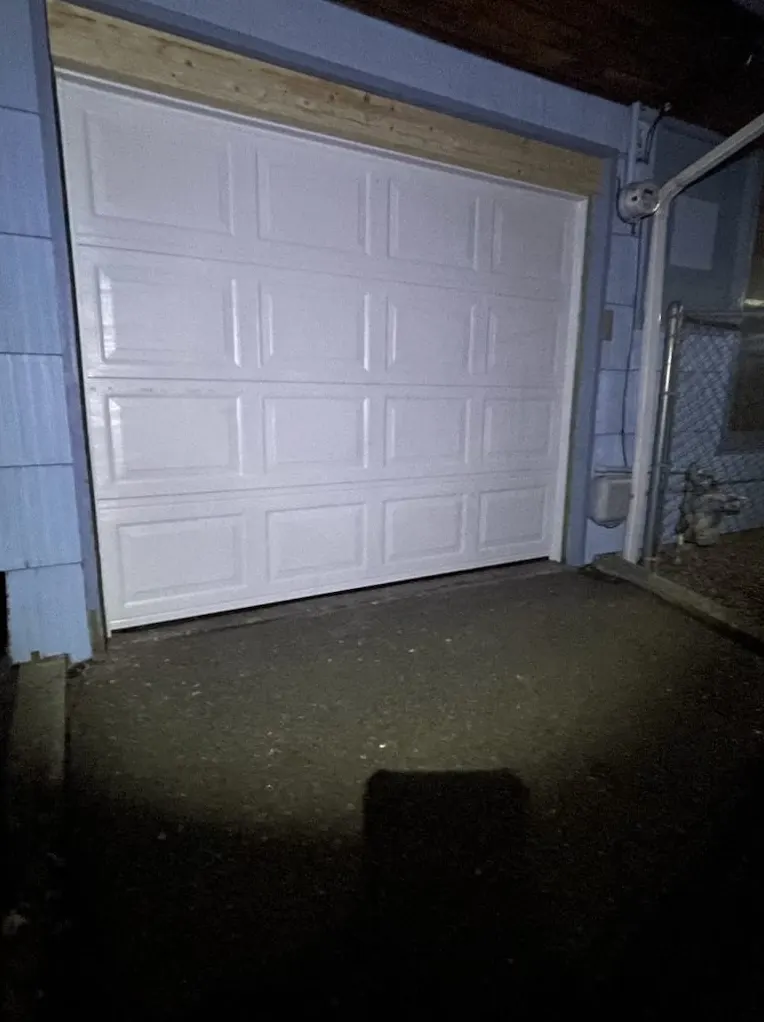
Short answer: yes, a leaky garage door is probably costing you real money
If the argument is "does it actually matter that much," the answer is yes, especially if the garage is attached to the house and shares a wall with a bedroom, laundry room, or the HVAC closet. A garage door with worn seals or no insulation turns that whole bay into a giant uninsulated box sitting against your living space. In July and August, that box gets brutally hot. In a hard winter cold snap, it gets cold enough to matter. Either way, your AC or furnace works harder to fight the temperature swing coming through that shared wall.
Why the garage acts like a thermal funnel
An attached garage isn't sealed off from the house the way most people assume. There's usually a shared wall, sometimes a room directly above the garage, and ductwork or the water heater often lives in there too. When the garage door leaks air, the garage interior temperature tracks much closer to the outdoor temperature than to your thermostat setting. In a North Texas summer, that means the garage can sit well above 100°F for hours. That heat soaks into the shared wall and radiates into the house, so your AC runs longer to hold the same indoor temperature.
In winter, cold wind does the reverse. Lake Worth winters aren't brutal, but the wind is real, and an occasional ice event will bring genuinely cold air that finds every gap. A leaky door lets that cold air infiltrate the garage, chill the shared wall, and pull warmth out of the house.
Where the leaks actually come from
- Bottom seal (the rubber astragal): cracks, flattens, or tears over time from heat exposure and UV. This is the single biggest air leak point on most doors.
- Side and top weatherstripping: dries out and shrinks, leaving visible gaps, especially on older doors.
- Panel warping: wood and some steel panels can bow slightly from years of summer heat, breaking the seal even when the weatherstripping itself looks fine.
- No insulation in the door itself: a single-layer steel door has almost no R-value, so even with perfect seals, heat transfers straight through the panel.
- Gaps around the opener-side conduit or vents: smaller, but they add up over a whole summer.
How to settle the argument with a five-minute test
- Daylight test: close the door, turn off garage lights, and look for light coming in around the edges or bottom. Any visible daylight is a confirmed leak point.
- Dollar bill test: close the door on a dollar bill at several points along the bottom seal. If it slides out with little resistance, the seal isn't compressing properly.
- Hand test on a hot afternoon: run your hand along the inside of the door and the shared wall. If the wall feels noticeably warm compared to other interior walls, heat is transferring through.
- Dust and debris inside the garage: fine dust along the base of the door is a sign air (and grit, common with the dust and wind here) is moving through regularly.
What actually fixes it — and what doesn't
Replacing a worn bottom seal and side weatherstripping is cheap and often solves most of the draft problem on its own; this is routine maintenance, not a big project. If the door itself is a thin, uninsulated steel panel, adding a foam insulation kit helps with temperature transfer but won't fix air leaks caused by warping or a bad seal — those are two different problems. If the door is older, visibly warped, or the insulation is failing in multiple spots, it's often more cost-effective long-term to replace it with an insulated door rather than keep patching an aging one. That's a judgment call based on the door's age and condition, not something to guess at.
When to call Lake Worth Garage Door
If the seals are the issue, our Garage Door Maintenance service covers seal replacement, hardware checks, and a full inspection so you're not just guessing where the leaks are. If the door itself is old, warped, or was never insulated, we'll walk you through Garage Door Installation options with real insulation ratings so you can compare the upfront cost against what you're losing every summer and winter. Either way, we'll tell you straight whether a repair makes sense or whether replacement pays for itself faster.
If you're in Lake Worth, Fort Worth, Sansom Park, White Settlement, River Oaks, Westworth Village, Benbrook, or Azle and want a straight answer on your own door, call Lake Worth Garage Door and we'll come take a look.